US launches new military operation after Strait of Hormuz incident
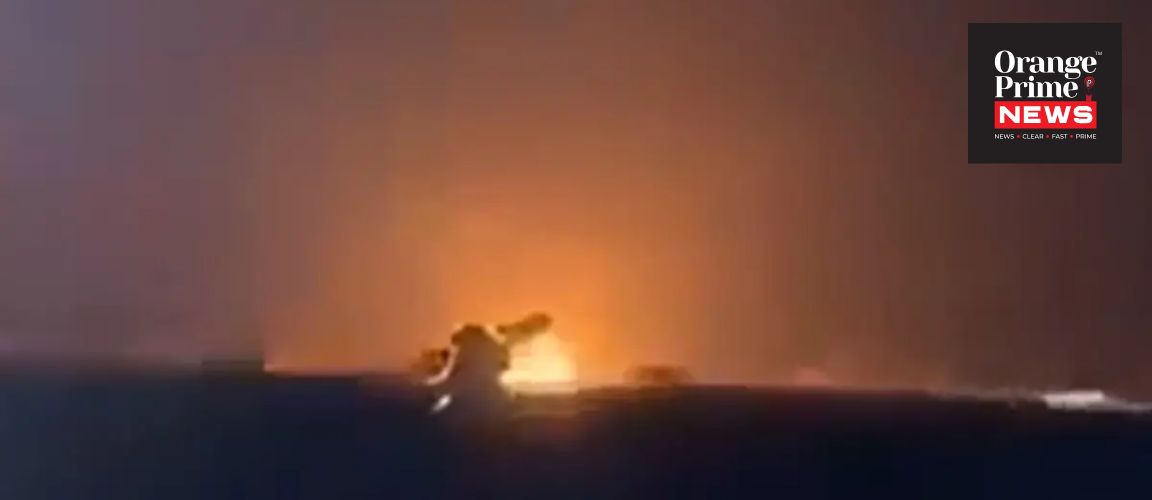
The United States has carried out a fresh wave of military strikes against Iran after a commercial container ship sustained heavy damage in an attack while transiting the Strait of Hormuz, dramatically escalating tensions in the Middle East and effectively ending the brief ceasefire that had temporarily paused weeks of hostilities.
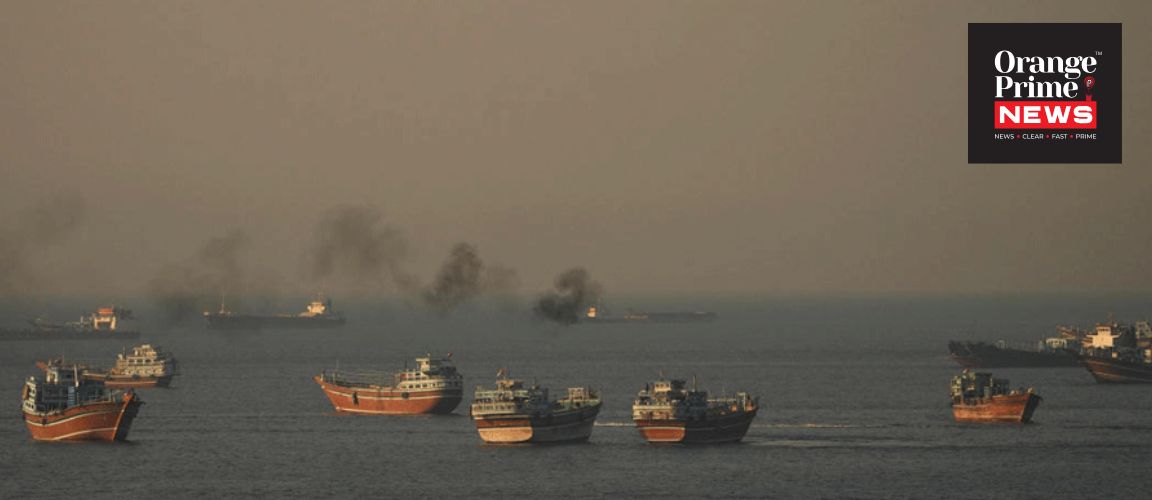
According to the US military, the latest operation was launched after the Cyprus-flagged container vessel M/V GFS Galaxy was struck while navigating through the strategically important waterway. American officials alleged that the attack was carried out by Iran's Islamic Revolutionary Guard Corps (IRGC), describing it as a direct threat to international maritime security.
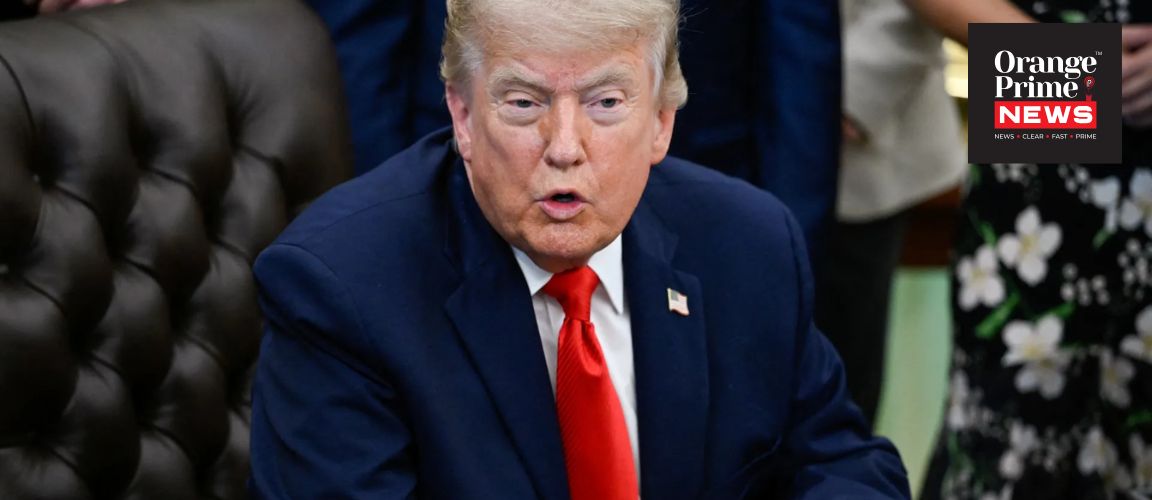
US Central Command stated that the military operation began shortly after Iranian authorities publicly warned of possible action in the region. Reports indicate that President Donald Trump personally authorised the strikes, although the White House has yet to release an official statement detailing the scope or objectives of the operation.
The Pentagon maintained that the response was intended to protect freedom of navigation and deter further attacks on commercial shipping operating through one of the world's most important trade routes.
Commercial vessel damaged during attack
The vessel at the centre of the latest crisis reportedly suffered significant damage to its engine room while travelling through the Strait of Hormuz. Initial reports suggested that one crew member remained missing following the incident, although rescue and assessment operations were continuing.
The attack has heightened concerns among global shipping companies already operating under elevated security measures after weeks of instability in the Gulf.
The Strait of Hormuz serves as the primary maritime gateway for crude oil exports from several Gulf nations, making any disruption a matter of global economic concern.
Tehran disputes Washington's version of events
Iran has strongly rejected the American account of the incident, arguing that its naval forces did not deliberately target a commercial vessel.
Iranian officials claimed that security personnel fired warning shots after several ships allegedly entered what Tehran described as an unauthorised route through waters under Iranian control. According to Iranian authorities, one of those warning rounds accidentally struck the container ship.
Following the incident, Tehran announced tighter control over maritime movement through the Strait and warned that any further US military action would receive what it described as a "severe" response.
Senior officials from the Revolutionary Guards asserted that restrictions would remain in place until what they called an end to American military interference in the region.
Iran also maintained that multiple vessels had ignored repeated warnings before the confrontation unfolded.
Strait of Hormuz once again becomes global flashpoint
The renewed conflict has once again focused international attention on the Strait of Hormuz, one of the world's most strategically significant maritime chokepoints.
Roughly one-fifth of global oil shipments and a substantial share of liquefied natural gas exports pass through the narrow waterway connecting the Persian Gulf with international markets.
Even limited disruptions have historically resulted in immediate reactions from energy markets, shipping operators and governments dependent on Gulf energy supplies.
Following the latest confrontation, oil and natural gas prices recorded fresh gains amid growing concerns over possible supply interruptions. Analysts also warned that prolonged instability could place additional inflationary pressure on economies already dealing with elevated energy costs.
Ceasefire effectively comes to an end
The latest exchange of military action appears to have formally ended the temporary ceasefire that had been announced following weeks of missile strikes and aerial bombardments.
President Trump reportedly acknowledged that the truce was no longer operational, indicating that Washington considered Iran responsible for reigniting hostilities through attacks on international shipping.
The ceasefire had originally been intended to halt fighting that erupted earlier this year after military operations involving the United States and Israel triggered a broader confrontation with Iran.
Although diplomatic channels have not been completely abandoned, both sides now appear significantly further apart than during previous negotiations.
Washington sets conditions for renewed diplomacy
American officials have outlined several conditions they believe Iran must meet before meaningful negotiations can resume.
The United States has insisted that Tehran publicly guarantee the safety of commercial vessels travelling through the Strait of Hormuz and refrain from interfering with international shipping.
Washington has also rejected any proposal allowing Iran to impose restrictions, fees or additional controls over vessels using the waterway, maintaining that the Strait remains an international shipping corridor governed by established maritime law.
US officials argue that restoring unrestricted navigation is essential before broader discussions on regional security or sanctions relief can move forward.
Iran accuses US of violating previous understanding
Iranian Foreign Minister Abbas Araqchi has countered that Washington bears responsibility for undermining the ceasefire.
In public remarks, he argued that agreements can only survive if both parties honour their commitments, suggesting that recent American decisions effectively broke the earlier understanding before the latest maritime confrontation occurred.
Tehran also criticised recent US measures restricting Iranian oil exports, describing them as another example of escalating economic pressure despite ongoing diplomatic contacts.
Escalation follows earlier attacks in Gulf waters
The latest crisis follows several days of growing instability across the Gulf.
Earlier attacks on multiple oil tankers prompted Washington to tighten sanctions and revoke licences that had previously allowed limited Iranian crude exports under specific arrangements.
The United States subsequently carried out strikes against Iranian targets, while Tehran responded by launching attacks against American military facilities across the Gulf region.
Although Iran has not officially acknowledged responsibility for earlier tanker attacks, regional analysts have suggested that maritime pressure has become part of Tehran's broader strategy during periods of heightened confrontation with Western powers.
Quiet diplomatic efforts continue despite conflict
Despite the renewed military exchanges, diplomatic engagement has not completely ceased.
Regional mediators, including Oman, continue efforts to encourage dialogue between Washington and Tehran. Reports suggest that informal discussions involving Iran, the United States and several regional partners have remained under consideration even as military operations intensified.
Oman has once again emerged as an important intermediary due to its longstanding role in facilitating communication between both governments during previous crises.
Iranian Foreign Minister Abbas Araqchi recently met Omani Foreign Minister Badr Albusaidi to discuss maritime security and possible mechanisms to reduce tensions in the Strait of Hormuz.
Media reports also indicate that Oman has explored proposals aimed at ensuring safe navigation through designated shipping lanes while attempting to address Iran's security concerns.
No formal agreement has yet been announced.
Leadership rhetoric adds to regional uncertainty
Political rhetoric has further heightened tensions.
Iran's new Supreme Leader, Ayatollah Mojtaba Khamenei, pledged to avenge the death of his predecessor and vowed continued resistance against external pressure.
Meanwhile, President Trump warned that the United States was prepared to respond with overwhelming military force if any threat emerged against American leadership or national interests.
The exchange of increasingly confrontational statements has fuelled concerns that diplomatic space is narrowing even as international mediators continue attempts to revive negotiations.
With military operations resuming, shipping under threat and energy markets reacting sharply, the Middle East now faces renewed uncertainty as both Washington and Tehran prepare for what could become another prolonged phase of confrontation.