Iran Responds to US Military Action with Missile Launch
A new phase of confrontation unfolded in West Asia on Thursday as Iran launched ballistic missiles towards Jordan's Azraq military base in what it described as retaliation for recent US attacks on Iranian territory. The exchange marked another significant escalation in an already volatile conflict that has unsettled the region over recent weeks.
According to Iranian military officials, ten ballistic missiles were fired during the operation. Jordanian authorities, however, said their air defence systems intercepted eight of the incoming missiles before they could reach their intended targets.
Officials in Amman confirmed that the incident caused neither casualties nor property damage, adding that the country's security forces remained on high alert following the attack.
Tehran Issues Fresh Warning to Washington
Iran's Revolutionary Guards declared that American military installations across the Middle East would remain potential targets if further attacks were carried out against Iranian territory.
The warning came shortly after Iran accused the United States of launching strikes against multiple locations in its southern and eastern provinces over the past two days.
Iranian Parliament Speaker Mohammad Bagher Ghalibaf delivered one of the strongest messages from Tehran, saying the United States should no longer expect military action to go unanswered.
In a public statement, he declared that any future attacks by Washington would invite an immediate response, stressing that Iran would not tolerate continued military pressure.
Ghalibaf also reportedly discussed the situation with Pakistan's military leadership, describing additional American operations as a breach of previous diplomatic understandings aimed at reducing tensions.
Civilian Casualties Reported Inside Iran
Iranian authorities claimed the recent US military campaign resulted in multiple civilian casualties across several provinces.
According to official figures released by Tehran, at least 14 people were killed while dozens more sustained injuries during the latest round of strikes.
Iranian media also reported damage to transport infrastructure, including a railway bridge used for international trade routes linking Iran with Russia and China.
Although independent verification of the reported casualties and infrastructure damage remains unavailable, the claims have added to concerns over the growing humanitarian impact of the conflict.
Strategic Locations Come Under Attack
Explosions were reported in several parts of Iran on Thursday morning, including the southern port city of Bandar Abbas and Bushehr province.
Bushehr holds particular strategic significance as it houses Iran's Russian-built nuclear power facility. Local officials stated that one American projectile struck the outer perimeter of the nuclear complex.
Authorities said the installation itself remained operational despite repeated attacks in recent months.
Military sites and port facilities in the province were also reportedly targeted, while officials indicated that a fishing harbour suffered damage during the strikes. No deaths were reported from those specific incidents.
Strait of Hormuz Remains at Centre of Dispute
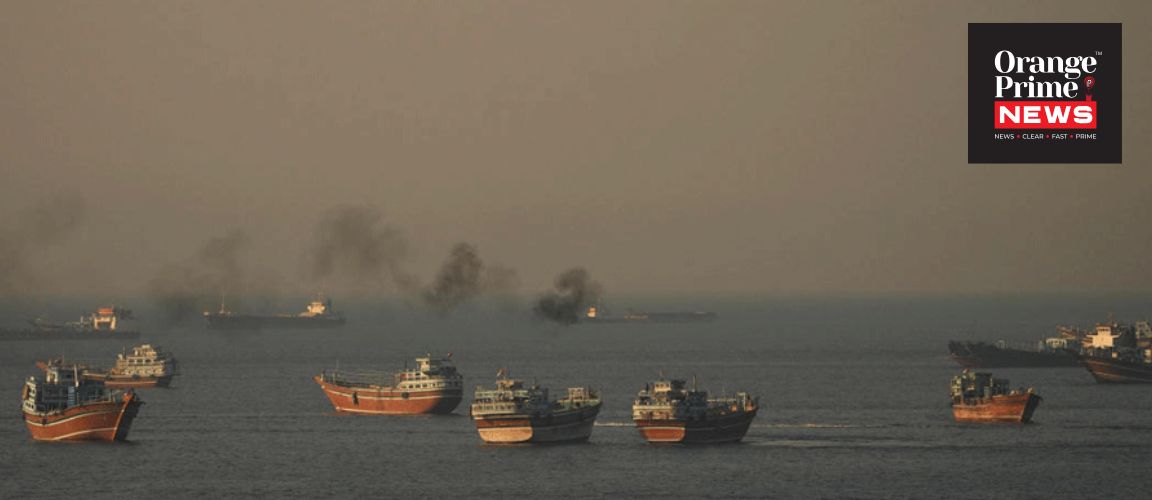
The latest military escalation continues to revolve around the Strait of Hormuz, one of the world's most critical maritime trade corridors.
The United States has accused Iran of attacking commercial oil tankers transiting through the strategic waterway earlier this week, prompting Washington to launch retaliatory strikes aimed at protecting international shipping.
American military officials said their operations were intended to preserve freedom of navigation through the strait, which serves as a major route for global oil and liquefied natural gas exports.
Iran strongly rejected the US position, arguing that it retains the authority to regulate maritime movement within the strategically sensitive region.
Revolutionary Guards Defend Iran's Shipping Policy
Iran's Revolutionary Guards Navy said commercial traffic through the Strait of Hormuz had gradually resumed under Iranian supervision following earlier disruptions caused by the conflict.
According to military officials, shipping capacity has recovered to approximately half of normal operating levels over the past two weeks.
Iran maintained that only vessels granted official permission are currently being allowed to transit designated maritime routes.
The Guards warned that any attempt by the United States to interfere with Iran's management of the waterway would provoke a forceful military response.
Diplomatic Efforts Continue Despite Rising Violence
Even as military operations intensified, diplomatic contacts between regional governments continued.
Iranian Foreign Minister Abbas Araqchi held separate discussions with his counterparts from Oman and Türkiye to assess the rapidly changing security situation.
The talks reportedly focused on reducing tensions, safeguarding maritime security and encouraging renewed diplomatic engagement to prevent the conflict from expanding further.
Regional mediators continue working to preserve negotiations aimed at transforming the temporary ceasefire into a more permanent peace arrangement.
Trump Defends Military Response
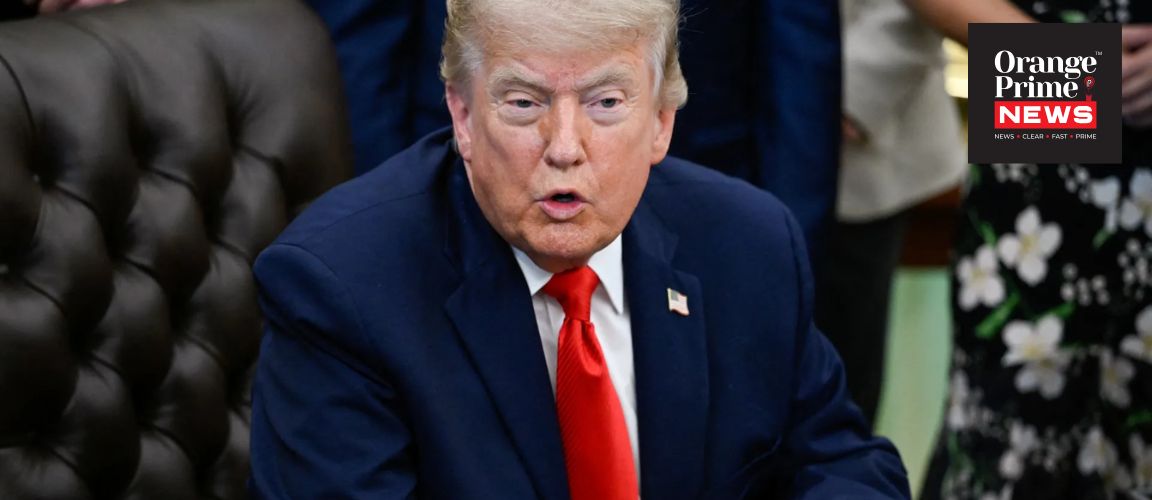
US President Donald Trump defended the latest American strikes, describing them as retaliation for attacks on commercial shipping in the Gulf.
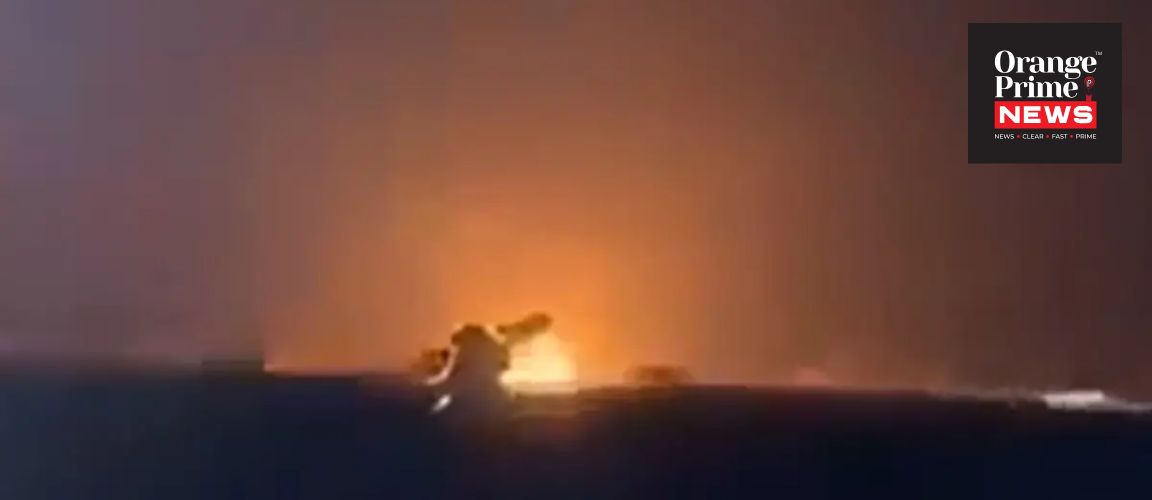
After departing a NATO summit, Trump shared videos on social media that he claimed showed explosions caused by US military operations inside Iran.
He warned that Washington would respond even more forcefully if Iranian attacks against international shipping continued.
Although Trump suggested that the military confrontation would not necessarily evolve into a prolonged conflict, he also reiterated previous warnings about targeting additional Iranian infrastructure if tensions continued to escalate.
His remarks contributed to renewed uncertainty surrounding the future of the ceasefire agreement negotiated only weeks earlier.
Internal Divisions May Shape Iran's Next Move
Analysts believe differing priorities within Iran's political establishment could influence the direction of the crisis.
Some factions reportedly favour maintaining strict control over the Strait of Hormuz as a strategic bargaining tool against Western powers.
Others are believed to support continued diplomatic negotiations in hopes of securing sanctions relief and improving Iran's struggling economy through a comprehensive peace agreement.
Regional intelligence officials involved in mediation efforts say discussions remain active, although the latest exchange of military strikes has made progress considerably more difficult.
Fragile Ceasefire Faces Fresh Test
The latest exchange of attacks has placed renewed pressure on the already fragile ceasefire that had temporarily reduced hostilities in the Gulf.
With missile launches, airstrikes and competing military warnings continuing on both sides, fears are growing that the conflict could widen beyond its current scope.
Such an outcome would not only threaten regional security but could also disrupt global energy markets, given the strategic importance of the Strait of Hormuz for international oil and gas supplies.
For now, diplomatic efforts remain underway, but the situation continues to evolve rapidly as both Washington and Tehran maintain firm public positions while leaving the possibility of further military action open.