Tensions between the United States and Iran have intensified once again after US President Donald Trump warned Tehran of devastating military consequences following public calls for his assassination during the funeral of Iran's former Supreme Leader Ayatollah Ali Khamenei.
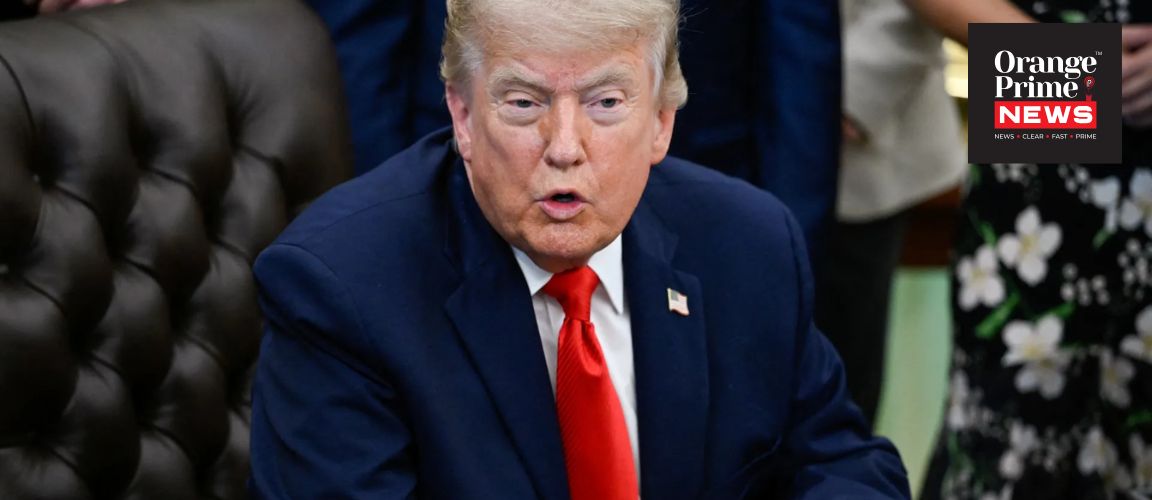
Posting on his social media platform Truth Social, Trump declared that the United States was prepared to launch a massive military response if Iran attempted to carry out any threat against him or American interests. His statement came amid growing instability in the Middle East, where recent military exchanges and disagreements over maritime security have placed an already fragile ceasefire under significant pressure.
Trump's comments followed funeral ceremonies for Khamenei, where some mourners reportedly carried posters and banners demanding the deaths of both the US President and Israeli Prime Minister Benjamin Netanyahu. The public display of anti-American sentiment drew immediate attention in Washington, with Trump responding in unusually strong language.
In his post, Trump claimed that a large number of missiles were already positioned and ready for launch against Iran should Tehran act on any threats directed at him. He further warned that additional military assets could be deployed rapidly if the situation escalated.
The US President also wrote that American forces would "completely decimate and destroy" Iran if such threats materialised, ending his message with the phrase "Praise be to Allah," a wording he has used in previous statements during the ongoing regional conflict.
Trump has repeatedly invoked strong rhetoric throughout the confrontation with Iran, particularly after the outbreak of hostilities earlier this year. His remarks have drawn criticism from several advocacy groups in the past, including organisations that argued his comments unnecessarily inflamed religious and political tensions.
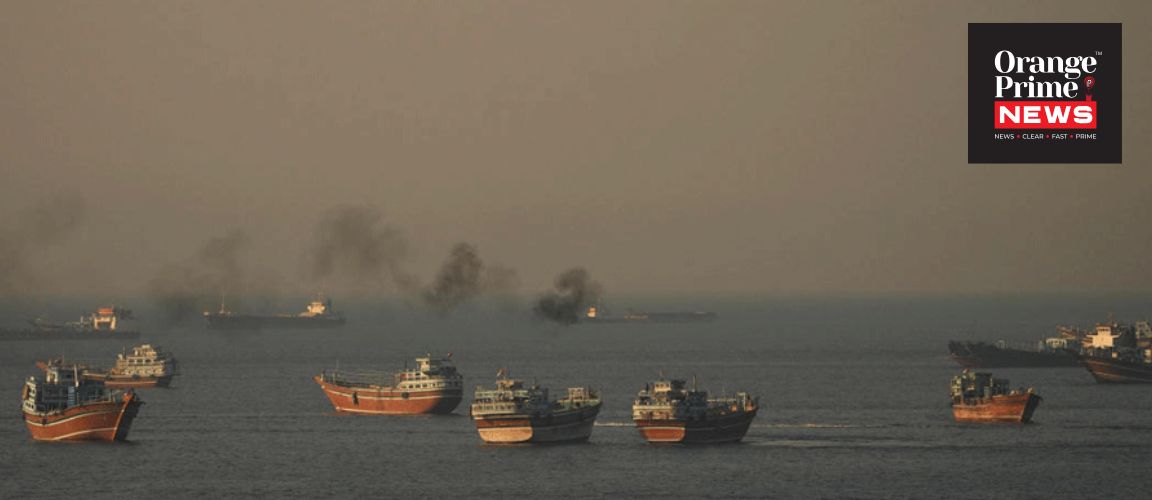
The latest escalation comes against the backdrop of increasing disagreements over the Strait of Hormuz, one of the world's most strategically important maritime trade routes.
Senior US officials have urged Iran to publicly guarantee that commercial shipping through the narrow waterway will remain safe and free from attack. According to American officials, such an assurance is considered essential for preventing another round of military confrontation.
Iran, however, has refused to issue the statement sought by Washington.
Instead, Tehran has insisted that it should exercise exclusive authority over the waterway and has proposed charging vessels passing through the strait. Such a position would represent a major departure from decades of international practice, under which the Strait of Hormuz has been treated as an international shipping corridor.
The disagreement follows several days of renewed military exchanges between the two countries.
The latest round of violence began after attacks on commercial vessels transiting the Strait of Hormuz, which the United States blamed on Iran. Washington responded with airstrikes targeting Iranian positions, prompting Tehran to launch retaliatory missile attacks against US military facilities and allied countries in the Gulf region.
Although both sides later agreed to an interim arrangement aimed at reducing hostilities, repeated incidents over recent days have cast doubt on the durability of that understanding.
According to US officials speaking on condition of anonymity, President Trump has instructed negotiators to pursue a diplomatic breakthrough with Iran within a limited timeframe. However, they also stressed that military options remain available if negotiations fail to produce meaningful progress.
One of the central sticking points remains Iran's nuclear programme.
American officials reiterated that any future nuclear agreement must require Tehran to surrender its stockpile of highly enriched uranium, material that experts say is enriched to levels close to those required for nuclear weapons.
Iran has consistently rejected that demand.
Tehran maintains that its nuclear programme exists solely for peaceful civilian purposes and has repeatedly denied seeking to build nuclear weapons. Nevertheless, Western governments remain concerned over the scale and level of Iran's uranium enrichment activities.
US officials also insisted that negotiations over the nuclear programme cannot move forward unless Iran halts attacks on commercial shipping in the Strait of Hormuz.
The strategic waterway carries roughly one-fifth of the world's traded oil and natural gas under normal circumstances. Disruptions to shipping during the recent conflict triggered sharp increases in global energy prices before markets later stabilised as hostilities eased.
Meanwhile, Iran has continued to defend its position.
Iran's ambassador to the United Nations said decisions regarding navigation, security operations and demining activities within the Strait of Hormuz fall exclusively under Iran's authority.
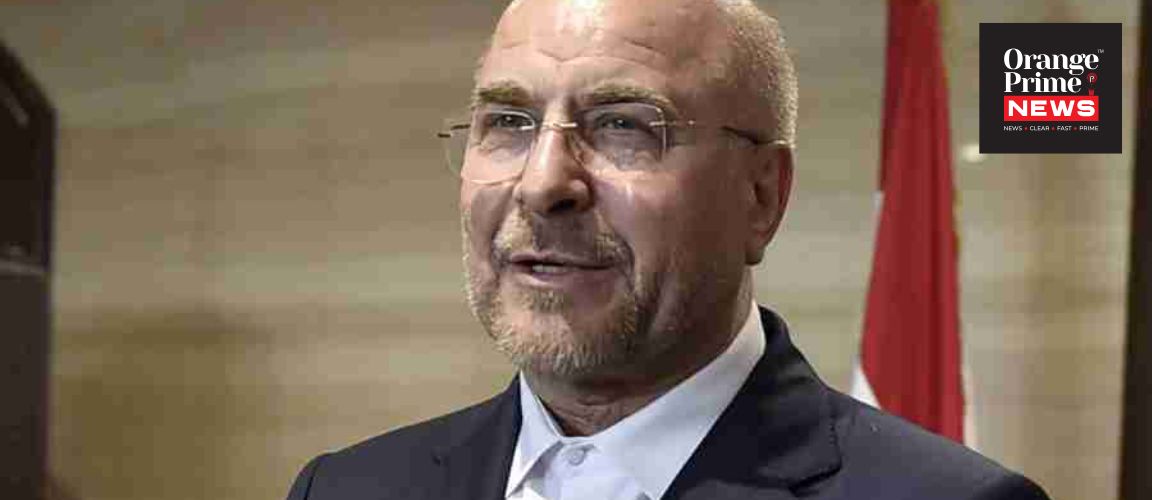
Iranian Foreign Minister Abbas Araghchi also criticised Washington's recent decision to end sanctions waivers that had previously allowed Iran to sell crude oil in US dollars. According to Araghchi, such measures violate the spirit of the interim understanding reached between the two countries.
Writing on social media, the Iranian foreign minister argued that any agreement between Washington and Tehran must be based on reciprocal commitments rather than unilateral actions.
Diplomatic efforts remain active despite the escalating rhetoric.
Araghchi is scheduled to hold talks with Oman's foreign minister, with discussions expected to focus on reducing tensions surrounding the Strait of Hormuz. Oman has frequently acted as an intermediary between the United States and Iran during previous rounds of negotiations.
Turkish Foreign Minister Hakan Fidan also expressed cautious optimism, suggesting that diplomatic engagement over the weekend could help prevent a further deterioration in regional security.
At the same time, uncertainty continues over recent attacks inside Iran.
Following the latest US airstrikes, additional explosions were reported at several locations across the country. While Israel did not claim responsibility, speculation has emerged that other regional actors may have carried out limited military operations to discourage further Iranian retaliation.
The situation remains highly volatile, with both Washington and Tehran maintaining firm public positions while diplomatic channels continue to operate behind the scenes.
Analysts warn that any new attack on commercial shipping, military installations or political leaders could quickly unravel ongoing negotiations and push the region back toward a broader military confrontation.
For now, both governments appear to be balancing military deterrence with diplomatic engagement, leaving the future of the ceasefire and nuclear talks uncertain as tensions continue to simmer across the Middle East.