UAE recognises courage of Indian captain and flydubai crew
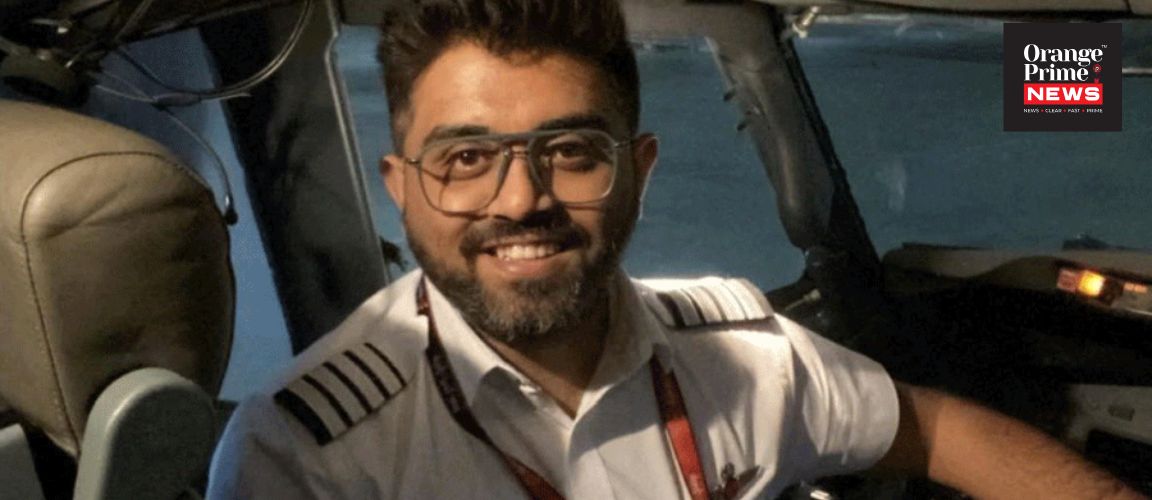
Indian pilot Smit Machchhar and members of the flydubai crew have received one of the United Arab Emirates' high-level civil honours for their response to an attempted cockpit attack that threatened the safety of an international passenger flight.
The First Class Order of Zayed II was conferred by UAE President Sheikh Mohamed bin Zayed Al Nahyan. The medals were presented by Sheikh Hamdan bin Mohammed bin Rashid Al Maktoum, Crown Prince of Dubai, Deputy Prime Minister and Minister of Defence, during a presidential reception.
According to the Dubai Media Office, Sheikh Hamdan praised the crew's courage, professionalism and sense of responsibility in protecting passengers during the September incident.
The recognition followed the crew's efforts to regain control of the situation after the co-pilot allegedly attacked Machchhar inside the cockpit. Passengers and crew members intervened, while two additional flydubai pilots travelling aboard the aircraft helped bring the emergency under control.
The incident has drawn international attention to the responsibilities of flight crews during emergencies and the importance of coordinated action when an aircraft's safety is threatened.
What happened aboard flight FZ1073?
The incident took place on September 30 aboard flydubai flight FZ1073, which was operating from Dubai to Tel Aviv with more than 170 people on board.
The flight was travelling through the region when the co-pilot allegedly attacked Captain Machchhar using a crash axe kept in the cockpit for emergency purposes. The captain suffered serious injuries during the assault.
According to reports based on accounts from the captain and other sources, the aircraft then underwent a sharp and dangerous loss of altitude. Flight-tracking information cited by news organisations showed that it descended by thousands of feet in a short period.
The motive behind the attack was initially unclear. Israeli officials identified the co-pilot as an Omani national, while subsequent reporting described the incident as the subject of a serious security investigation.
The emergency forced the flight away from its planned route to Tel Aviv. Instead, the aircraft was diverted towards Tabuk in Saudi Arabia, where it could make an emergency landing.
The episode rapidly escalated from an apparent confrontation inside the flight deck into a situation requiring intervention from passengers and other aviation professionals on board.
Injured captain manages to open cockpit door
Despite being seriously injured, Machchhar managed to make a crucial move that allowed others to intervene.
According to accounts of the incident, the captain was lying on the cockpit floor after the attack but still managed to operate the internal mechanism that released the cockpit door.
Opening the door allowed passengers and crew members to enter and help restrain the co-pilot. Their intervention was critical in preventing the confrontation from continuing unchecked.
Reports based on Machchhar's subsequent account described how he continued trying to protect the aircraft despite his injuries. His actions helped create an opportunity for those outside the cockpit to assist.
The incident also highlighted the importance of cockpit access procedures during an emergency. While cockpit doors are designed to restrict unauthorised entry, the circumstances aboard FZ1073 required an urgent response once the captain was incapacitated and the aircraft was in danger.
Machchhar was later taken for medical treatment, initially in Tabuk before being transferred to Abu Dhabi for further care.
Passengers and additional pilots help secure the aircraft
Once the cockpit door opened, passengers and crew members helped overpower the co-pilot and prevent the confrontation from continuing.
Two other flydubai pilots were also travelling aboard the aircraft. They subsequently helped take control of the flight and guide it towards a safe landing.
The aircraft eventually landed in Tabuk, Saudi Arabia, rather than continuing to its scheduled destination in Israel.
The successful landing brought the immediate emergency to an end. Passengers were able to leave the aircraft, while the injured captain received medical attention. The co-pilot was taken into custody.
The response involved several people performing different roles under exceptional pressure: Machchhar's attempt to open the cockpit door, the intervention of passengers and crew, and the assistance of the additional pilots who helped manage the aircraft.
The episode demonstrated how an emergency can require coordinated action beyond the responsibilities normally associated with any one crew member. Investigators have continued to examine the circumstances surrounding the attack and the actions that followed.
Investigation focuses on the co-pilot's actions
The reason for the attack was not established in the initial reports following the incident. Authorities have been investigating the co-pilot's conduct and the circumstances that led to the confrontation.
The UAE's investigation has treated the incident as a serious security matter. Reports published after the flight's diversion described further scrutiny of the co-pilot's background and the events leading up to the attack.
However, details concerning motive and any alleged ideological influences should be distinguished from the established sequence of events aboard the aircraft. Investigators' findings and formal legal proceedings remain the appropriate basis for conclusions about the suspect's intentions.
For airlines and aviation authorities, the incident has also raised questions about cockpit security, crew suitability assessments and the procedures used to respond when a member of the flight deck becomes a threat.
Any changes to aviation procedures would depend on the conclusions of the relevant authorities and the safety reviews that follow.
Who presented the honour?
The medals were presented by Sheikh Hamdan bin Mohammed bin Rashid Al Maktoum, who serves as Crown Prince of Dubai, Deputy Prime Minister and Minister of Defence.
The ceremony was attended by senior UAE officials, including Sheikh Theyab bin Mohamed bin Zayed Al Nahyan, Deputy Chairman of the Presidential Court for Development and Fallen Heroes' Affairs, and Sheikh Ahmed bin Saeed Al Maktoum, President of the Dubai Civil Aviation Authority, Chairman of Dubai Airports, and Chairman and Chief Executive of Emirates Airline and Group.
The crew expressed gratitude to the UAE President for the recognition, according to the Dubai Media Office statement.
The honour recognises their contribution to passenger safety and their conduct during an incident in which the aircraft's safe operation was seriously threatened.
The First Class Order of Zayed II is a high-level UAE civil decoration awarded in recognition of distinguished service and significant contributions. Its presentation to Machchhar and his colleagues places their response to the flight emergency among the acts of service formally recognised by the UAE leadership.
A recognition of service and responsibility
For Machchhar, the honour follows an incident in which he sustained serious injuries while attempting to protect the aircraft and its passengers. His reported actions in opening the cockpit door helped allow others to intervene, while the subsequent response enabled the aircraft to land safely in Saudi Arabia.
The crew's recognition also reflects the collective nature of the response. Passengers, cabin crew and additional pilots all played roles in bringing the emergency under control.
The incident remains a reminder of the responsibilities carried by aviation professionals and the importance of effective emergency procedures. It also demonstrates how the actions of several people can determine the outcome of a rapidly developing crisis.
The UAE's decision to honour Machchhar and the flydubai crew acknowledges their efforts to protect those aboard flight FZ1073 and help bring a dangerous mid-air situation to a safe conclusion.