The humanitarian situation following the devastating flash floods in Nepal remained fluid on Friday, with hundreds of Indians still awaiting contact with their families and others stranded across the Chinese border.
The Ministry of External Affairs said 320 Indian nationals were still missing or could not be contacted after the floods struck parts of Nepal on Wednesday morning.
Ministry spokesperson Randhir Jaiswal said Indian authorities were continuing efforts to locate those who remained unaccounted for and were working with Nepalese authorities to establish their whereabouts.
At the same time, around 400 Indian nationals were stranded on the Chinese side of the border. Unlike those whose whereabouts remain unknown in Nepal, the ministry said the stranded group was safe.
Jaiswal said many of the stranded Indians had already communicated with their families and that the Indian embassy had also established contact with several of them.
The Indian mission in Beijing is coordinating with local Chinese authorities to determine how the group can be brought back safely.
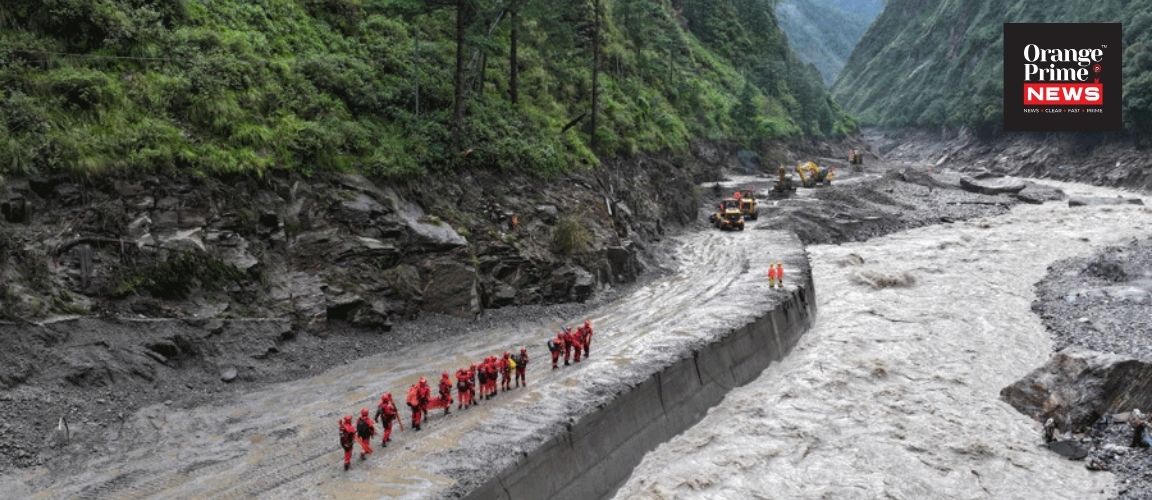
The situation has become particularly complicated because the affected areas lie close to the Nepal-Tibet border, where flooding, landslides and damaged communication networks have disrupted movement and rescue operations.
320 Indians remain unaccounted for
The latest figure represents a significant number of Indian nationals whose families are still waiting for confirmation of their safety.
Jaiswal said the ministry was continuing to work through diplomatic channels and emergency helplines to gather information about those who had not yet been contacted.
“320” Indians remained missing or uncontactable, he said, stressing that the situation was changing continuously as rescue teams gained access to affected areas.
The ministry also clarified that the figure did not include around 100 people of Indian origin who hold citizenship of other countries.
Some of these foreign nationals are believed to have travelled to the region for the Kailash Mansarovar pilgrimage.
Because they are citizens of countries other than India, they are being treated separately from Indian passport holders in the ministry's figures.
The distinction highlights the international nature of the disaster, with pilgrims and tourists from several countries caught in the affected region.
400 Indians stranded across Chinese border
While hundreds remain untraced in Nepal, approximately 400 Indian nationals are stranded on the Chinese side of the border.
Jaiswal said there was no immediate indication that the group was in danger.
According to the ministry, the stranded Indians have been able to remain in contact with their families, while Indian diplomatic officials have communicated with a number of them directly.
Families have also approached the Indian embassy in Beijing through helpline facilities established to assist those affected by the disaster.
The embassy is now working with Chinese authorities to determine an evacuation route.
The operation could depend on the condition of roads and other transport links damaged by landslides and flooding.
Indian authorities are therefore seeking to coordinate the evacuation carefully rather than attempting to move the entire group without adequate arrangements on the ground.
Indians rescued and flown home
Efforts to bring back those already rescued have also gathered pace.
Twenty-one people from Tamil Nadu who were rescued from flood-affected areas on Thursday reached New Delhi from Kathmandu on an IndiGo flight, according to the MEA.
The group is among the Indian tourists and pilgrims who have been successfully brought out of danger since the disaster began.
The Indian embassy in Nepal has been assisting those leaving the country and coordinating their onward travel to India.
Indian ambassador to Nepal Naveen Srivastava was present at Kathmandu airport on Friday afternoon as some of the rescued Indians departed for home.
The embassy said the ambassador was there to see off Indian nationals returning from the affected areas.
Bengal numbers remain a concern
The disaster has also left a large number of families in Bengal anxiously awaiting news of relatives who travelled to Nepal for the Kailash Mansarovar pilgrimage.
West Bengal chief minister Suvendu Adhikari said 37 residents of the state remained missing on Friday, although contact had been established with two of them.
The number has been closely followed in Bengal because several groups from the state travelled through tourism operators to reach the pilgrimage route.
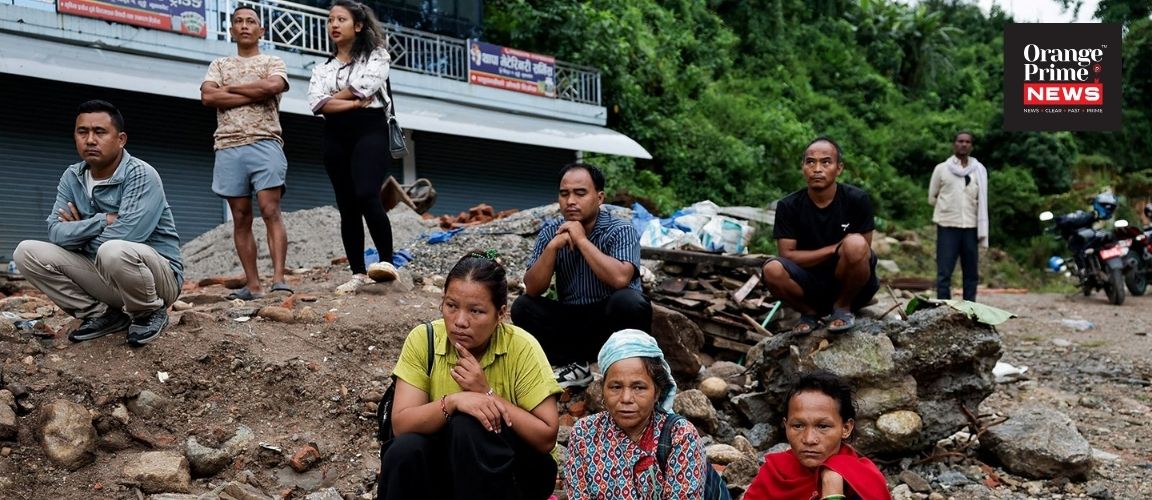
Families in Kolkata and other parts of the state have been attempting to contact relatives directly while also approaching government helplines and diplomatic authorities.
The continuing uncertainty has added to the distress caused by the disruption of telephone and internet services in some of the affected areas.
Foreign tourists rescued
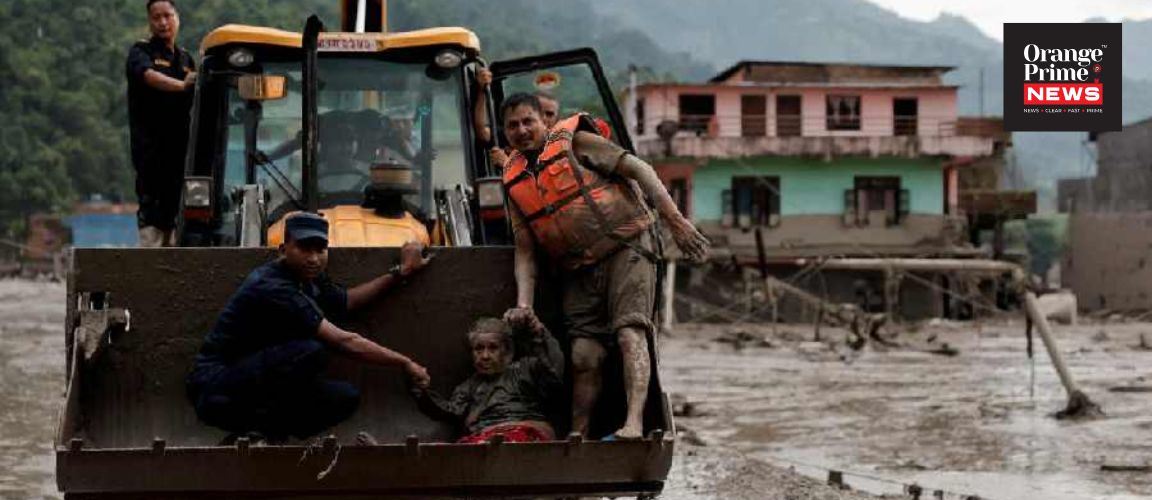
The Nepal Tourism Board said rescue operations had also succeeded in evacuating a number of foreign tourists from flood-hit districts.
At least 121 foreign tourists, including 85 Indians, had been rescued from areas such as Rasuwa, Dhading and Nuwakot.
The rescued foreign nationals included nine South Koreans and 16 Chinese citizens.
The figures underline the scale of the impact on international visitors who were travelling through northern Nepal when the disaster struck.
Rasuwa, in particular, has been among the areas badly affected by the floods and landslides, with transport links and access routes disrupted.
Rescue agencies have had to work under difficult conditions while continuing to assess the risk of additional flooding.
Thousands of security personnel involved
Nepal has mobilised a large security contingent for the search-and-rescue operation.
According to the Nepal Tourism Board, at least 7,451 security personnel have been deployed, including 2,391 members of the Nepal Army.
The forces are involved in locating missing people, evacuating stranded residents and tourists, clearing affected routes and providing assistance in isolated areas.
The continuing threat of flooding has made the operation particularly challenging.
Rescuers have had to balance the need to reach people trapped in affected locations with warnings about rising water levels and further hazards.
Warning of more floods
Nepal's National Disaster Risk Reduction and Management Authority has warned that additional flooding remains possible.
The agency has advised rescue teams and residents in the Bhotekoshi and Trishuli regions to remain on high alert.
People in vulnerable locations have been told to move towards safer ground immediately if they detect signs of danger.
The warning comes amid concerns that continued rainfall could trigger additional flooding and landslides in already damaged areas.
For rescue workers, the possibility of fresh flooding creates an additional challenge as they attempt to reach people who remain missing.
The authorities are therefore monitoring river levels and weather conditions while adjusting rescue operations accordingly.
India expands relief operation
India has continued to increase its humanitarian assistance to Nepal.
On Friday, New Delhi sent a third consignment of 10 tonnes of relief material to Kathmandu.
The latest shipment included portable generator sets, dignity kits, food packets and water purification tablets.
The supplies are intended to support communities whose homes, infrastructure and access to basic services have been affected by the floods.
India had already sent 10 tonnes of humanitarian assistance and disaster relief material to Nepal on Wednesday.
A much larger consignment of 37.5 tonnes followed on Thursday.
That shipment included 28.5 tonnes of general relief material, eight tonnes of medicines and one tonne of food.
The latest dispatch brings additional supplies to areas dealing with the immediate aftermath of the disaster.
Medical team sent to Nepal
Along with the latest relief material, India has deployed an 11-member team of doctors and paramedics to assist with emergency medical requirements.
A reconnaissance team has also been sent to assess the situation and examine requirements linked to tunnel rescue operations.
The deployment reflects India's broader effort to support Nepal's emergency response while also assisting Indian nationals caught in the disaster.
The medical personnel can provide support as rescued people are brought to safer areas and as local authorities assess the health needs of affected communities.
Diplomatic coordination continues
The MEA and Indian missions in Nepal and China have been operating emergency mechanisms to assist stranded citizens.
The embassy in Kathmandu has been coordinating the evacuation of Indians rescued from flood-affected areas, while the mission in Beijing is working on arrangements for those stranded across the border.
Emergency helplines have also provided families with a channel to report missing relatives and seek information.
The continuing disruption of communications in parts of Nepal means that establishing contact can take time.
Officials have stressed that the numbers remain subject to change as more people are located and additional information reaches the authorities.
Search and rescue remains the priority
The immediate priority remains locating people who are still unaccounted for, evacuating those in danger and ensuring that stranded tourists and pilgrims can return safely.
The presence of hundreds of Indians in different locations has made coordination particularly complex.
Those in Nepal require assistance from local rescue agencies and Indian diplomatic officials, while those stranded in China require coordination between Indian and Chinese authorities.
The situation involving foreign nationals of Indian origin adds another layer to the humanitarian response.
As rescue teams gain access to isolated areas, the authorities are expected to receive more information about the status of missing people.
India pledges continued assistance
India has reiterated its commitment to supporting Nepal during the crisis.
The successive relief consignments, medical deployment and diplomatic coordination form part of New Delhi's broader response to the disaster.
For families in India, however, the most urgent concern remains confirmation that their relatives are safe.
With 320 Indian nationals still unaccounted for and around 400 others awaiting evacuation from the Chinese side, efforts to establish contact and organise safe returns are expected to continue.
The situation remains dynamic, with weather conditions, river levels and damaged infrastructure likely to influence the pace of rescue and evacuation operations.
For now, Indian authorities are maintaining contact with Nepalese and Chinese officials while expanding relief assistance and working to bring stranded citizens home.