North Section of Terminal 1B to be demolished
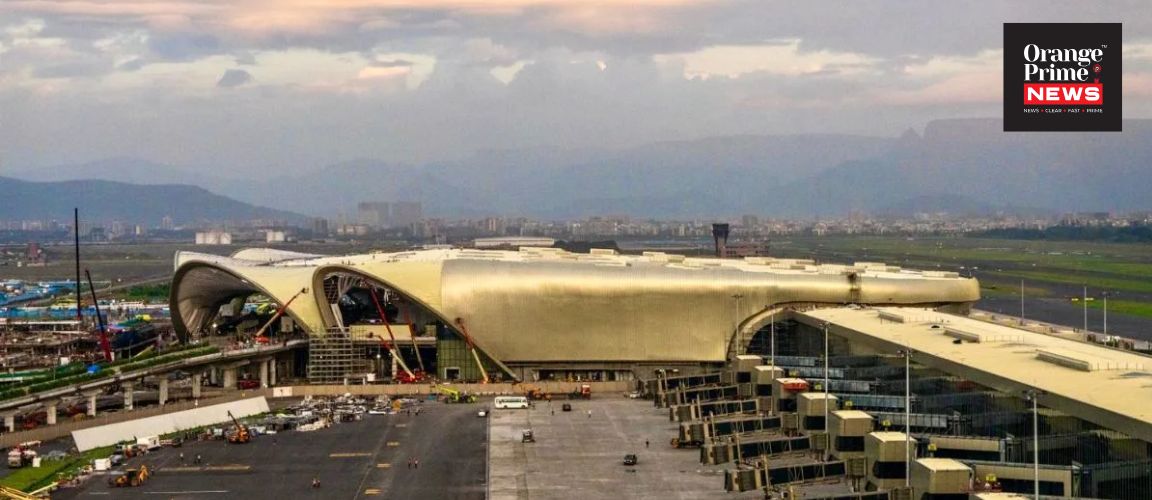
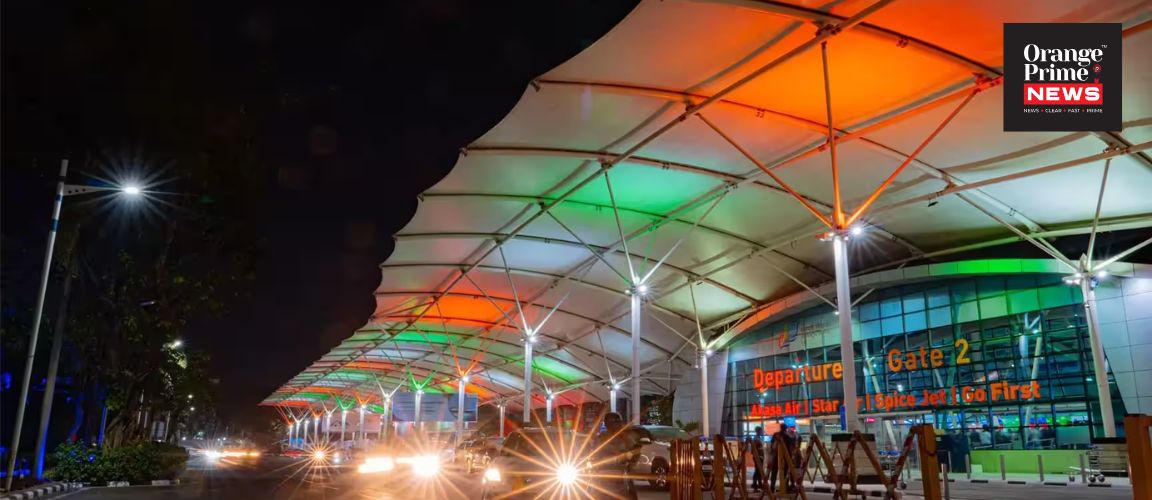
Mumbai International Airport Ltd (MIAL), operated by Adani Airport Holdings Ltd (AAHL), plans to begin demolition of the North Section of Terminal 1B in January 2027.
The first phase has been designed to limit the disruption caused by the redevelopment. Rather than closing the entire terminal, the airport operator will remove a section that accounts for roughly one-third of Terminal 1's capacity.
Terminal 1 currently handles approximately 15 million passengers annually. Once redevelopment is completed, its capacity is expected to rise by about 33 per cent to 20 million passengers a year.
AAHL said the phased approach would allow the remaining parts of Terminal 1 to continue operating while construction and demolition take place.
The operator has described the building as ageing infrastructure that requires significant repairs. According to AAHL, concerns over the condition of the terminal have existed for several years, with temporary measures being used while an alternative facility was unavailable.
About 91 per cent of Mumbai airport traffic to remain unaffected
Mumbai airport handles around 55 million passengers annually. AAHL estimates that only about 5 million passengers, or roughly 9 per cent of total traffic, will be temporarily affected by the first phase of the redevelopment.
The remaining 91 per cent of passenger traffic is expected to continue operating through the airport.
Arun Bansal, CEO of AAHL, said the decision to restrict the first phase to the North Section was intended to minimise disruption to passengers and airlines.
The company has also said that the temporary movement of some operations to Navi Mumbai should not be interpreted as a permanent transfer of Mumbai airport traffic.
Once the redevelopment is completed, AAHL said historical airline slots will be restored and additional slots will also be made available.
Airlines offered option to shift services to Navi Mumbai
The newly operational Navi Mumbai International Airport is expected to play a key role during the redevelopment.
Airlines operating from the affected portion of Terminal 1 have been given the option of temporarily moving services to Navi Mumbai International Airport. AAHL has said it will assist carriers with the transition.
The operator has argued that the availability of Navi Mumbai provides an alternative that was not available when the redevelopment was first planned.
Both Mumbai and Navi Mumbai airports are operated by the Adani group and are being positioned as complementary facilities serving the wider Mumbai Metropolitan Region.
The move is intended to allow Terminal 1 redevelopment to proceed without completely shutting down the facility or causing a larger disruption to passengers.
Safety concerns cited as redevelopment begins
AAHL has made passenger safety the central justification for the redevelopment.
The company said concerns over Terminal 1 had continued for years and that temporary arrangements had been used to maintain operations.
A fire at Terminal 1 in April 2026, according to the airport operator, further highlighted the risks associated with continuing to operate ageing infrastructure without major redevelopment.
AAHL said the opening of Navi Mumbai International Airport has now created sufficient alternative capacity to allow the Mumbai terminal project to move forward.
The operator has maintained that delaying the redevelopment further could affect the safety and convenience of travellers.
Airline transition has already begun
The transition of traffic between Mumbai's airports is not limited to the January redevelopment date.
MIAL had earlier informed the civil aviation ministry that operational changes would begin ahead of the demolition. According to an August communication, part of the traffic handled by Terminal 1 would be moved to Terminal 2, while some international operations could shift to Navi Mumbai.
Akasa Air has already moved its domestic operations from Terminal 1 to Terminal 2 as part of the broader operational realignment.
The airport operator has also been coordinating with airlines over the movement of services and has proposed a transition mechanism involving key aviation stakeholders.
The objective is to provide airlines with time to adjust schedules, aircraft deployment and airport operations before the physical redevelopment begins.
Mumbai airport faces temporary international capacity cuts
The redevelopment has also created a separate capacity challenge at Mumbai airport.
The Indian Express reported that MIAL planned to temporarily reduce 265 weekly international departure slots from October 25 to accommodate additional domestic traffic at Terminal 2 following the reduction in Terminal 1 capacity. The proposal affects 46 airlines, with carriers being asked to identify the international slots they are willing to surrender.
The temporary changes are linked to the need to balance domestic and international operations while Terminal 1's capacity is reduced.
According to the report, IndiGo faces the largest reduction among airlines, followed by Air India, Akasa Air, Air India Express and SpiceJet. Several foreign carriers are also affected.
The airport operator has said the changes are temporary and are part of the broader transition plan.
Airlines have raised concerns
The redevelopment plan has also generated concerns among some airlines and industry representatives.
Earlier consultation documents submitted to the Airports Economic Regulatory Authority of India recorded concerns about whether airlines should be encouraged or required to move operations to Navi Mumbai.
Industry representatives have argued that any relocation should be voluntary and should not undermine airlines' existing operational rights at Mumbai airport.
MIAL has rejected suggestions that it is forcing airlines to shift operations to Navi Mumbai. In its response to the consultation process, the airport operator said extensive discussions with airlines had taken place and that the redevelopment was part of its approved master and tariff framework.
The latest plan therefore involves both an infrastructure project and a complex redistribution of airport capacity.
Navi Mumbai offers incentives to attract airlines
Navi Mumbai International Airport is also introducing measures to attract additional services during the transition.
The airport is offering a full discount on landing fees for new international flights, according to AAHL.
It also plans to provide cash vouchers to international passengers to offset differences in user development fees between Navi Mumbai and Mumbai airports.
These measures are intended to make the temporary relocation of services more attractive to airlines and passengers.
AAHL has said Navi Mumbai has the infrastructure and capacity required to accommodate traffic shifted from the existing Mumbai airport.
Terminal 1 capacity expected to rise after redevelopment
The redevelopment is not simply a repair project.
Once completed, Terminal 1 is expected to handle around 20 million passengers annually, compared with its current capacity of about 15 million.
The additional capacity is intended to support Mumbai's growing aviation demand while improving the condition and functionality of the terminal.
AAHL has also said that historical airline slots will be restored after the project, alongside additional slots created through the expanded capacity.
The operator expects the redevelopment to strengthen Mumbai's two-airport system as passenger demand continues to rise.
Mumbai's two-airport system enters a new phase
The redevelopment of Terminal 1 comes as Mumbai's aviation infrastructure enters a period of significant change.
Mumbai airport remains one of India's busiest aviation hubs, while Navi Mumbai International Airport has been developed to provide additional capacity for the metropolitan region.
The two airports are expected to increasingly share the region's passenger demand, particularly as the existing airport faces physical and operational constraints.
The temporary transfer of services during the redevelopment will therefore also serve as an early test of how the two-airport system operates in practice.
For passengers, the key changes will involve possible differences in airport location, schedules and travel times depending on where airlines operate during the transition.
What happens next
The first major phase of the redevelopment is scheduled to begin in January 2027, with the North Section of Terminal 1B set for demolition.
Before that, airlines will continue adjusting operations between Mumbai Terminal 1, Terminal 2 and Navi Mumbai International Airport.
AAHL says the phased approach will allow most Mumbai airport traffic to continue operating normally while the ageing infrastructure is rebuilt.
For airlines, the immediate challenge will be managing temporary capacity restrictions and deciding whether to shift selected services to Navi Mumbai.
For passengers, the most important consideration will be checking the departure airport and terminal before travelling during the transition period.
Once the redevelopment is completed, AAHL expects Terminal 1 to have capacity for around 20 million passengers annually, with historical slots restored and additional capacity available.
The project will consequently reshape Mumbai's airport operations over the coming years while addressing the safety and infrastructure concerns cited by the airport operator.