Government calls meeting over flight relocation
The Civil Aviation Ministry has convened a meeting with airlines and Adani Airport Holdings Ltd (AAHL) to discuss the operational arrangements linked to the redevelopment of Mumbai airport.
The meeting, scheduled for Tuesday, October 6, will be chaired by Civil Aviation Secretary Samir Kumar Sinha, according to sources.
Representatives of airlines including IndiGo, Air India and SpiceJet are expected to attend, along with officials from Adani Airports.
The main issue before the meeting is the proposed reduction in international departures from Mumbai airport and the possibility of shifting some services to the newly operational Navi Mumbai International Airport.
Airlines asked to cut international operations
Mumbai International Airport Ltd (MIAL), the operator of Mumbai airport, has communicated with 46 airlines regarding changes to international departure slots.
The airlines have been asked to reduce international departures by 33 per cent from 11.59pm on October 25, which coincides with the beginning of the winter flight schedule.
At present, 46 airlines operate around 770 international flights every week from Terminal 2.
Under the proposed arrangement, 265 weekly international services would be temporarily discontinued from Mumbai airport.
The vacated slots would then be used to facilitate the transfer of domestic operations from Terminal 1 while its redevelopment gets underway.
Airlines could alternatively choose to operate some of the affected international services from Navi Mumbai.
Terminal 1 redevelopment begins in January
Mumbai airport's Terminal 1 is scheduled for a major redevelopment beginning in January 2027.
The first phase involves demolishing the north section of Terminal 1B, which represents roughly one-third of the terminal's existing capacity.
The redevelopment is intended to increase T1's annual handling capacity by 33 per cent, from around 15 million passengers per annum to approximately 20 million.
The phased approach is designed to reduce the disruption to passengers while allowing the airport operator to modernise the ageing terminal.
AAHL has said the future of Terminal 1 has been the subject of consultations with airlines since 2020.
The redevelopment plan was also presented to the Airports Economic Regulatory Authority of India (AERA) and subsequently incorporated into the approved tariff framework.
Adani says most Mumbai airport traffic will be unaffected
Adani Airport Holdings has argued that the redevelopment will have a relatively limited impact on the airport's overall passenger traffic.
Mumbai airport handles approximately 55 million passengers annually.
According to AAHL, only around 5 million passengers, or about 9 per cent of total traffic, will be temporarily affected by the de-operationalisation of the relevant portion of Terminal 1.
AAHL CEO Arun Bansal said only the north section of Terminal 1B would initially be demolished, with the phased approach intended to minimise passenger inconvenience and operational disruption.
The company has also said airlines will have the option of temporarily relocating their operations to Navi Mumbai International Airport.
Why Navi Mumbai is central to the plan
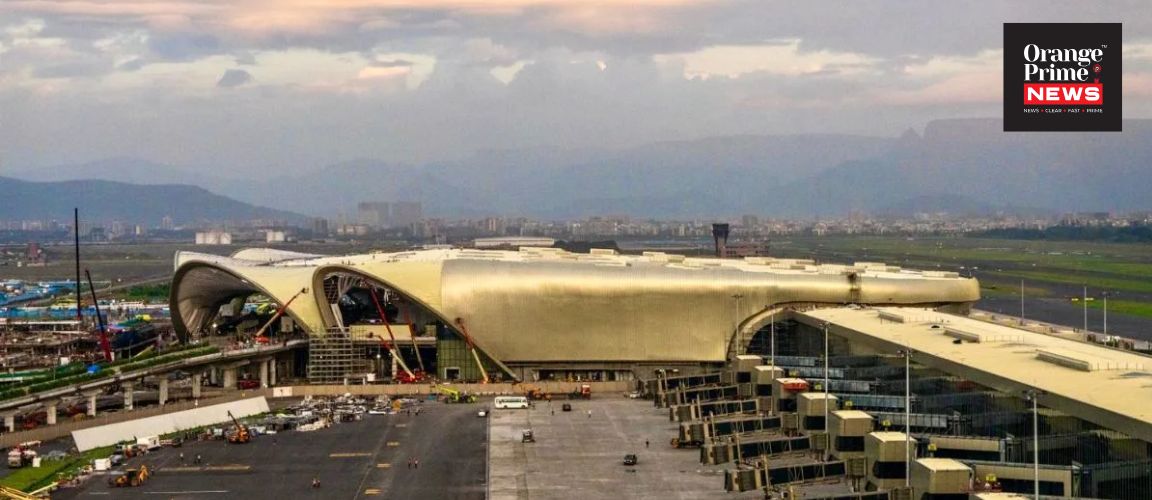
The opening of Navi Mumbai International Airport has provided a new alternative for handling traffic during the redevelopment of Mumbai airport.
Both airports are operated by entities within the Adani Airports group.
AAHL has said Navi Mumbai can accommodate airlines and passengers whose services need to be shifted temporarily while work takes place at Terminal 1.
The company has offered to assist airlines with the transition and provide operational support for the relocation.
The Airports Economic Regulatory Authority has also announced a waiver of landing charges for international flights at Navi Mumbai airport for one year.
AAHL plans to provide cash vouchers to international passengers to offset differences in the User Development Fee between Navi Mumbai and Mumbai airports.
These measures are intended to make the temporary relocation more attractive to airlines and passengers.
IATA objects to forced relocation
The proposed shift has faced opposition from the International Air Transport Association (IATA), which represents more than 370 airlines worldwide.
In a letter to the Civil Aviation Ministry dated September 9, IATA described the proposed relocation as a "forceful relocation" and called for government intervention.
The association argued that airlines should be allowed to decide whether and when to move operations to Navi Mumbai rather than being required to relocate services.
IATA also raised concerns about established historical slot entitlements.
According to the association, temporary infrastructure changes should not affect airlines' existing rights to slots at Mumbai airport.
IATA said it supported Navi Mumbai International Airport and the development of Mumbai's dual-airport system, but argued that the transition should be based on market forces and airline choice.
AAHL defends the redevelopment plan
AAHL has maintained that extensive consultations with airlines have been taking place for several years.
The airport operator said the redevelopment was necessary because Terminal 1 is an ageing facility and has long presented safety-related concerns.
According to AAHL, temporary measures had been used over the years because there was previously no viable alternative for passengers and airlines.
The situation became more pressing after a fire incident at Terminal 1 in April 2026, which the airport operator said highlighted the risks associated with continuing operations.
With Navi Mumbai now operational, AAHL has argued that the planned closure and phased demolition of T1 can proceed without leaving airlines without an alternative.
Mumbai airport's two-terminal system
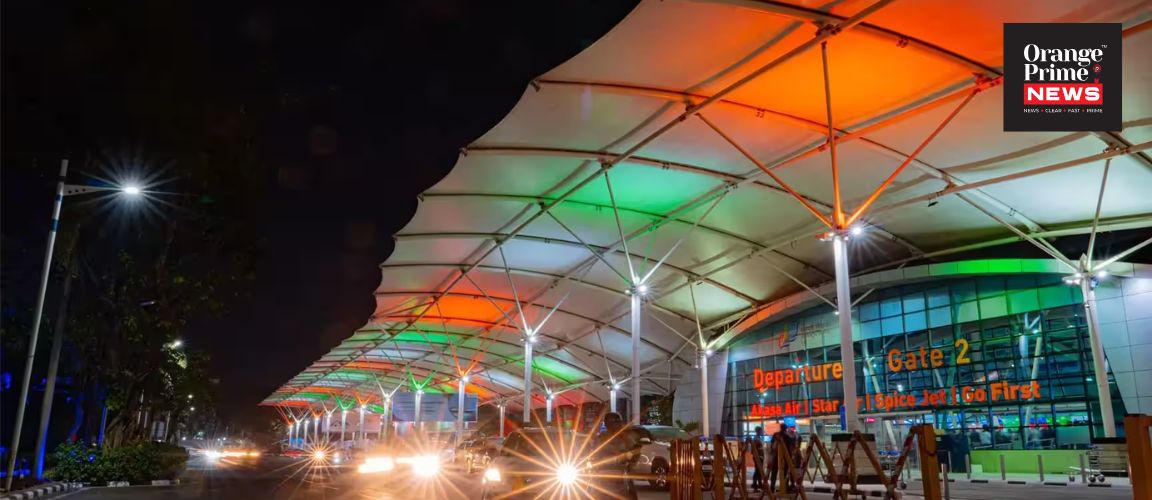
Mumbai airport currently operates through two principal terminals.
Terminal 1 primarily handles domestic operations, while Terminal 2 handles international flights as well as a substantial portion of domestic traffic.
The redevelopment of T1 will therefore require a careful redistribution of domestic and international operations.
The proposed reduction in international departures from T2 is intended partly to create additional capacity for domestic flights displaced from T1.
This makes the October 25 slot changes an important part of the wider transition plan.
The October 6 meeting between the government, airlines and airport operator could therefore determine how much of the proposed relocation takes place at Navi Mumbai and how the remaining operations are distributed between the two airports.
Airlines face operational challenges
For airlines, shifting flights between airports involves more than simply changing departure locations.
Carriers have to consider aircraft scheduling, crew deployment, passenger transfers, ground-handling arrangements, airport infrastructure and connecting flights.
Passengers may also face changes to their travel plans if an international flight moves from Mumbai to Navi Mumbai.
The two airports are located in different parts of the Mumbai metropolitan region, meaning passengers will need to account for additional travel time depending on their origin or destination.
These operational considerations are among the reasons airlines have sought greater flexibility in deciding how they respond to the redevelopment.
The road ahead
The October 6 meeting will be an important opportunity for the government and airlines to discuss the proposed transition before the October 25 deadline.
The immediate issue is whether airlines will accept the proposed reduction in international services from Mumbai or shift some of those operations to Navi Mumbai.
The longer-term objective is to complete the redevelopment of Terminal 1 while maintaining Mumbai's overall airport capacity and minimising disruption to passengers.
For the airport operator, the availability of Navi Mumbai provides an alternative that did not exist when the Terminal 1 redevelopment was first planned.
For airlines, however, the key issue remains whether the transition should be mandatory or driven by individual commercial decisions.
The discussions between the government, airport operator and airlines will therefore play an important role in determining how Mumbai's two-airport system functions during the next phase of the city's aviation expansion.