Rahul Gandhi says Opposition will not boycott elections
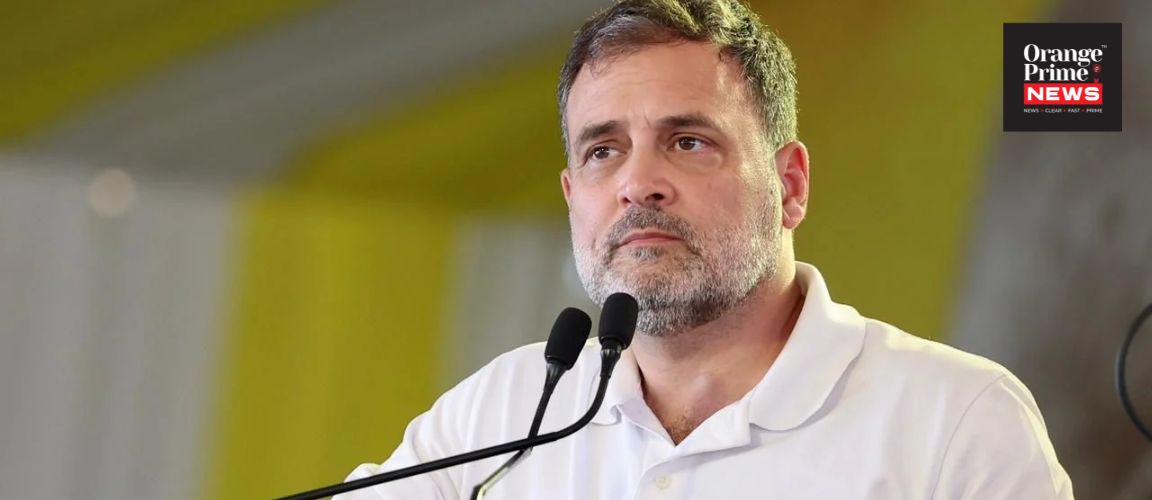
Rahul Gandhi has made it clear that the Opposition will not withdraw from electoral contests despite its allegations of irregularities in India's election process.
During a discussion at the University of Chicago on Wednesday, an audience member asked whether Indian political parties had considered boycotting elections on the grounds that the electoral system was unfair.
Responding to the question, the Congress leader said that even after he claimed to have obtained evidence of “vote chori”, some leaders within his own party had advised him against publicly raising the issue.
Rahul argued that boycotting elections would undermine the democratic framework that the Opposition was seeking to protect.
He said Indian democracy was sacred to the Congress and that refusing to contest elections would effectively mean abandoning the democratic process.
Instead, he said, the Opposition's strategy was to expose alleged electoral manipulation and continue participating in elections until voters recognised what he described as the deterioration of the system.
According to Rahul, an Opposition boycott could also weaken public confidence in the legitimacy of elections. He maintained that the parties opposing the BJP did not want to create a situation in which the electoral process itself was rejected.
Congress leader claims BJP's organisational structure is weakening
The Congress leader also addressed questions about coordination and unity among Opposition parties.
Describing the Congress as an organisation that operates through a relatively open and sometimes chaotic structure, Rahul said such an approach was necessary in a country as complex and diverse as India.
He argued that political organisation and institutional power in the country were largely concentrated in the hands of the BJP and the ruling establishment.
According to him, the BJP had control over several important institutions, including state police forces, intelligence agencies and the bureaucracy.
However, Rahul suggested that the recent student protests in Delhi demonstrated that large public movements could succeed even without a tightly organised leadership structure.
He referred to a gathering of students who had taken to the streets and argued that their ability to mobilise independently challenged the perception that institutional power automatically translated into political control.
Rahul also claimed that the Congress had created an open organisational platform in which people from different backgrounds could participate.
Rahul alleges BJP ministers are sharing information with Congress
In another significant claim, Rahul said the BJP's internal political structure had weakened and predicted that the effects would become more visible over the following six to eight months.
He also alleged that senior ministers in the ruling establishment were in contact with the Opposition and passing on information.
"Their senior ministers are in touch with us. They're giving us information," Rahul said during the interaction.
The Congress leader did not identify the ministers or provide specific details about the information he claimed was being shared.
He also asserted that the BJP's political position had been significantly weakened, although these remarks represented his assessment of the political situation rather than an independently established development.
Iran war and India's economic challenges
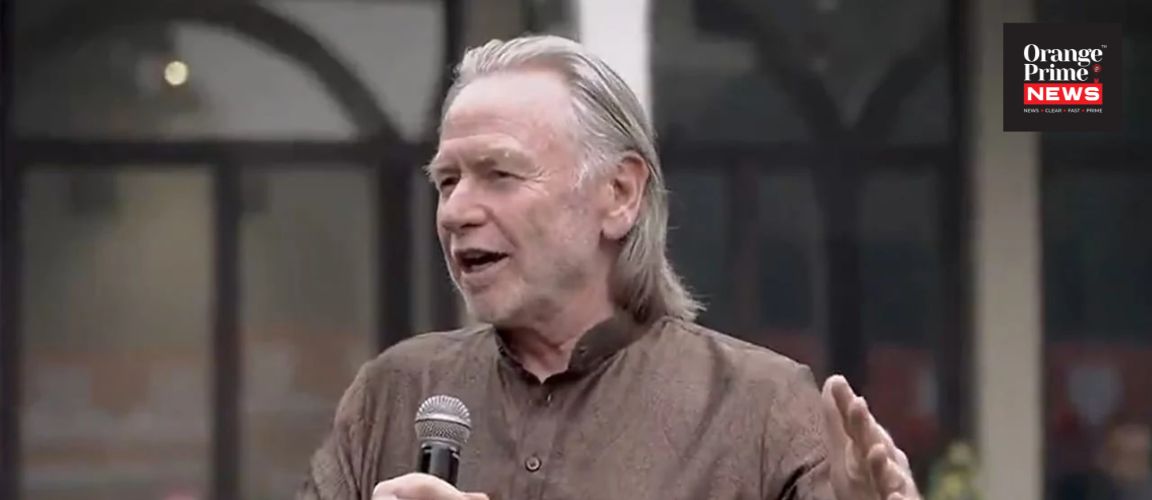
Rahul Gandhi's interaction at the University of Chicago was part of a discussion with political science professor Robert A. Pape titled The Iran War & India’s Role In The World.
During the conversation, he discussed the economic pressures facing India and argued that several domestic problems had become more visible following the Iran war.
He identified the concentration of wealth and economic power among a small number of large businesses as one of the major concerns.
According to Rahul, the weakening of small and medium-sized enterprises and persistent unemployment had already created difficulties for the Indian economy.
He suggested that the conflict involving Iran had acted as a magnifying glass, making these existing vulnerabilities more apparent.
His remarks linked international developments with India's domestic economic challenges, particularly the impact of global instability on businesses, employment and economic activity.
Electoral reform remains a central Opposition issue
Rahul's comments come amid continued political debate over alleged electoral irregularities and demands for greater transparency in the election process.
The Congress has repeatedly raised concerns about what it describes as “vote chori”, making electoral accountability a major part of its political campaign against the BJP.
The latest remarks indicate that the party intends to pursue this issue through political mobilisation and continued participation in elections rather than an electoral boycott.
By ruling out withdrawal from the democratic process, Rahul sought to distinguish between challenging the fairness of elections and rejecting the legitimacy of electoral democracy itself.
His claims about the BJP's internal difficulties and alleged communication between ruling-party ministers and the Opposition are also likely to remain subjects of political debate.